

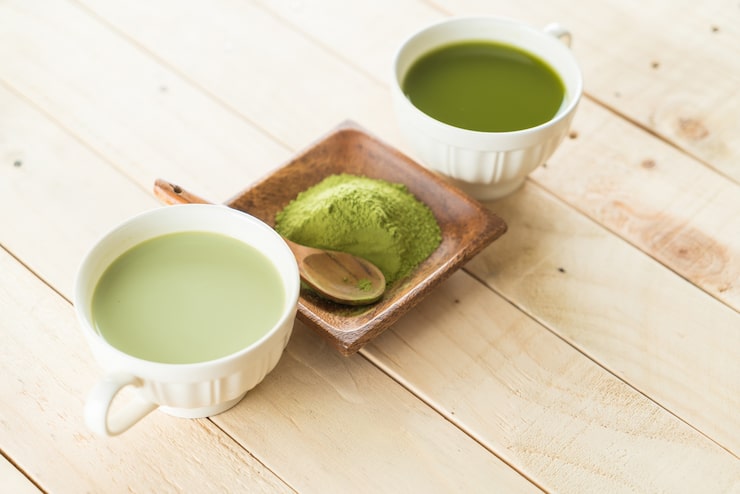
I recently noticed matcha listed among the top health trends and dug in to learn more. Matcha is a powdered green tea from Japan, prized for its concentrated nutrients. One serving delivers the benefits of many cups of brewed green tea because you consume the whole leaf.
How it’s made
Weeks before harvest, growers shade the tea plants. Reduced sunlight boosts chlorophyll and other nutrients, giving matcha its vivid green color. After picking, the leaves are traditionally stone-ground into a fine powder, producing the distinctive flavor and texture.
A bit of history
Matcha was once a luxury reserved for royalty and samurai, who valued it for focus and stamina. Today it’s a common part of the Japanese diet and has become popular worldwide.
Health benefits
– Metabolism and weight loss: Research has linked green tea powder to higher thermogenesis, increasing the body’s calorie-burning rate and helping with weight loss.
– Detox support: The high chlorophyll content helps the body eliminate certain environmental toxins and heavy metals.
– Balanced energy: Matcha contains caffeine plus the amino acid L-theanine, which promotes calm alertness and reduces the jittery feeling that sometimes comes with caffeine.
– Antioxidants and aging: Matcha is rich in antioxidants like EGCG that fight free radicals, helping protect cells and skin from premature aging.
– Mental clarity and stress reduction: L-theanine in matcha increases alpha brain waves, which are associated with relaxed focus and reduced stress.
– Exercise performance: Studies show drinking matcha before exercise can increase fat burning during workouts and improve concentration, helping you train harder.
– Immune support: Catechins and other antioxidants in matcha help strengthen the body’s defenses against infections.
– Taste and culinary uses: Matcha has a vegetal, slightly astringent start followed by a pleasant sweetness. It works well on its own or added to smoothies, lattes, sauces, and baked goods.
– Longevity connections: Regular matcha consumption is one factor often mentioned in discussions of long-lived Japanese populations, such as those in Okinawa.
Buying and brewing tips
Matcha cafes have made the drink more visible, but it’s easy and cheaper to prepare at home. Choose an organic product from a reputable source. Look for a bright green color—this usually indicates fresh, well-grown leaves. Expect to pay more for genuinely high-quality matcha; a container generally lasts a month or more if used daily.
Top pick types (what to look for)
– Premium ceremonial grade: Organic, sourced from Japan, vibrant color and flavor. Higher cost but best quality.
– Best value: Good-quality, USDA organic options may be more affordable but can be sourced outside Japan.
– Solid budget choices: Some organic brands are produced in China and vary in taste; they can still offer good value.
– Watch packaging: Some products sourced from Japan are attractively marketed but provide smaller quantities than they appear to.
How this guide evaluated brands
– Reviews: Only genuine, un-incentivized customer feedback was considered.
– Price: Products were compared for value.
– Brand reputation: Stable, consistent brands ranked higher.
– Quality: Bright green color and safe production practices were prioritized.
– Extras: Brands that include recipes or guides scored a bit higher.
Try a couple of different matcha products to find the flavor and effects you prefer.


