

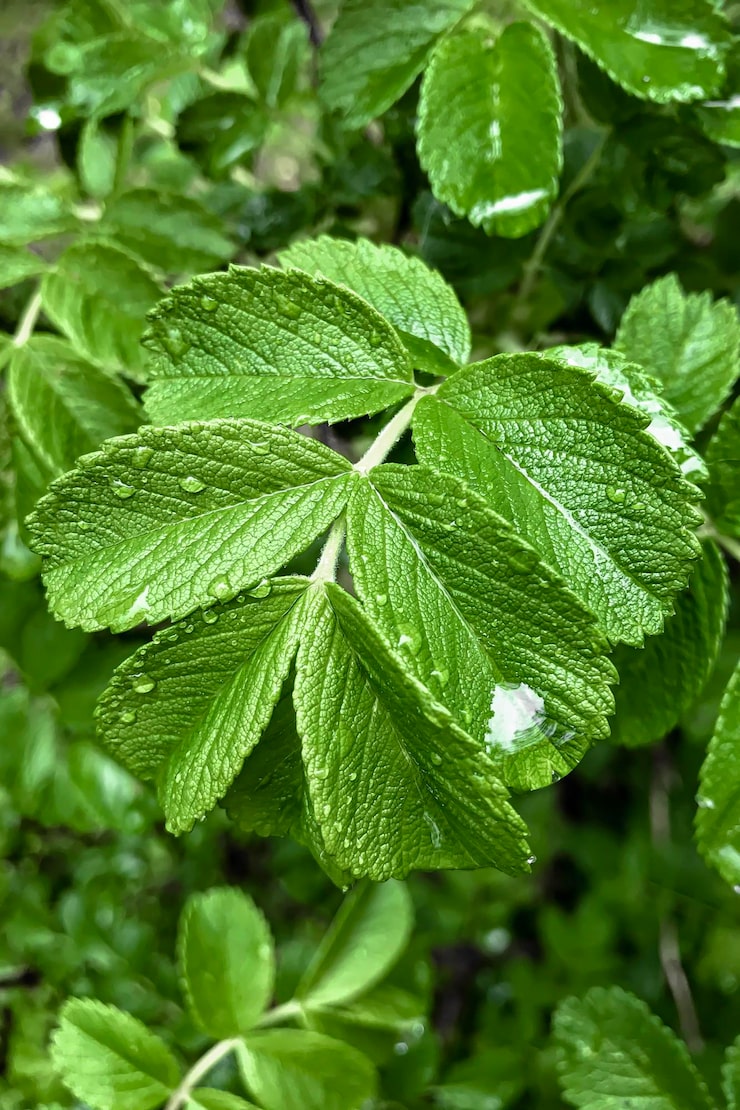
Lemon balm, a member of the mint family (Melissa officinalis), has leaves that smell of lemon rather than mint. It contains essential oils like geranial and neral and is used in medicines, foods, perfumes, and supplements. Native to south-central Europe and central Asia, it’s now grown worldwide. Young leaves can be eaten raw.
Is it a weight loss aid?
There’s no strong evidence that lemon balm tea causes weight loss on its own. Still, the tea offers several health benefits that can support a healthier weight when combined with a balanced diet and regular exercise.
Health benefits
– Digestive support: Lemon balm can ease bloating and calm mild stomach upset. It pairs well with ginger or mint in tea for extra digestive relief.
– Gut health: The herb contains tannins, phenolic acids, and flavonoids, which may reduce gut inflammation. It also has prebiotic properties that help nourish beneficial gut bacteria.
– Stress and sleep: Lemon balm has a calming effect and may lower cortisol, the stress hormone. Reduced stress and better sleep can help with weight management. Some studies show it can reduce feelings of anxiety and depression compared with a placebo, though it’s not a substitute for prescribed treatments.
– Metabolic effects: Compounds in lemon balm may help regulate blood sugar and improve cholesterol and triglyceride levels over time. Triterpenes in the plant may help insulin work more effectively, and the tea may lower LDL (“bad”) cholesterol, which supports overall metabolic health.
How to make lemon balm tea
Ingredients:
– 1–2 tablespoons fresh lemon balm leaves (or 1 teaspoon dried)
– 1 cup (8 oz) hot water
– Optional: honey, lemon, or mint
Instructions:
1. Rinse fresh leaves under cool water.
2. Tear or chop leaves slightly to release oils. If using dried leaves, skip this step.
3. Place leaves in an infuser, teapot, or mug and pour hot (not boiling) water over them.
4. Cover and steep 5–10 minutes for stronger flavor.
5. Strain, sweeten or add lemon/mint if desired, and enjoy warm or chilled.
Possible side effects and precautions
Lemon balm is generally safe for most people, but some may experience drowsiness—especially if taken in large amounts or with other sedatives—so avoid driving if you’re unsure how it affects you. Rare digestive issues like nausea, stomach cramps, or bloating can occur, usually from overuse or sensitivity. Allergic reactions are uncommon but possible; watch for itching, rash, swelling, or breathing trouble and seek immediate care if they occur.
Interactions
Lemon balm may interact with:
– Sedatives and anti-anxiety drugs
– Thyroid medications
– Antidepressants
– Glaucoma medications
If you take prescription drugs or have a thyroid disorder, check with your healthcare provider before using lemon balm regularly.
Bottom line
Lemon balm tea isn’t a magic weight-loss solution, but its calming, digestive, and metabolic benefits can contribute to better overall health. Used alongside a healthy diet and regular exercise, it’s a pleasant, natural way to support wellbeing.


