

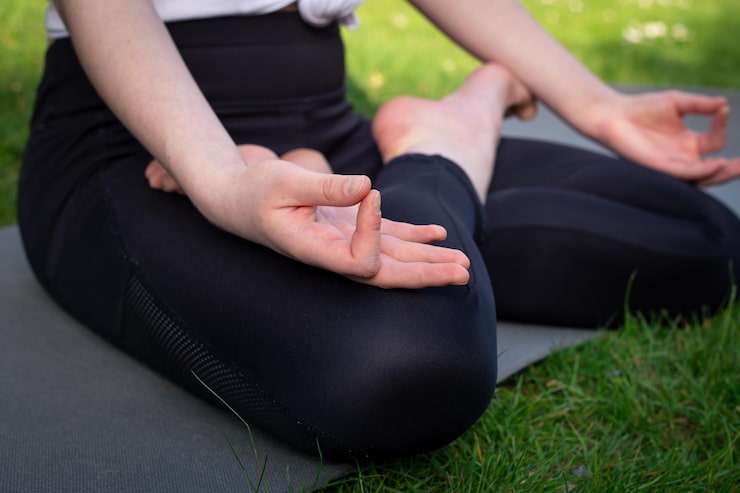
Yoga is an ancient practice that offers physical, mental, and spiritual benefits. It can improve flexibility, reduce stress, and support self-discovery, making it a powerful tool for overall well-being.
If you’re new to yoga, start with a gentle, foundational style like Hatha. Hatha focuses on poses (asanas) and breathwork (pranayama), often holding postures longer to build alignment, strength, and body awareness. It introduces basic breathing and meditation techniques, helping you connect body and mind while developing balance and flexibility.
There are many styles to explore beyond Hatha. Vinyasa links breath with continuous, flowing movement and can offer a more dynamic, cardio-friendly practice. Ashtanga follows a set sequence of vigorous, disciplined movements and builds strength and endurance. Iyengar emphasizes precise alignment and uses props—blocks, straps, bolsters—to make poses accessible and therapeutic. Bikram, or hot yoga, is practiced in a heated room through a fixed sequence; the warmth can increase flexibility but also raises the intensity of the class.
For beginners, attending classes with a qualified instructor is recommended. Beginner-friendly classes focus on foundational poses, alignment, and safe modifications. An instructor can correct alignment, suggest alternatives, and help you progress at a safe pace.
Basic gear makes practice more comfortable and safe. A good-quality mat with enough cushioning and grip protects your joints and prevents slipping. Wear comfortable, breathable clothing that allows full movement. Props like blocks, straps, bolsters, and blankets can support alignment and make poses more accessible, but they’re optional—tools are there to aid practice, not replace it.
Consistency matters. Aim for two to three sessions a week, even if some are short. Progress comes with regular practice, patience, and self-compassion. Always listen to your body: don’t force painful positions, modify when needed, and avoid comparing yourself to others.
Breath is central to yoga. Practices like Ujjayi (a soft, audible breath through the nose) help regulate the breath, create internal heat, and keep the mind focused. Other techniques—alternate nostril breathing, deep belly breathing, and cooling breaths—have different calming or balancing effects. Try to synchronize movement with breath: inhale to expand and lengthen, exhale to release and fold.
You can also practice at home using reputable online classes or tutorials if in-person classes aren’t available. Outside the studio, support your practice with proper hydration and a nourishing diet to fuel your body and aid recovery.
Above all, approach yoga as a personal journey. Cultivate mindfulness, notice sensations without judgment, and allow the practice to unfold naturally. With regular practice, patience, and an open mind, yoga can become a lasting source of strength, clarity, and balance.


