

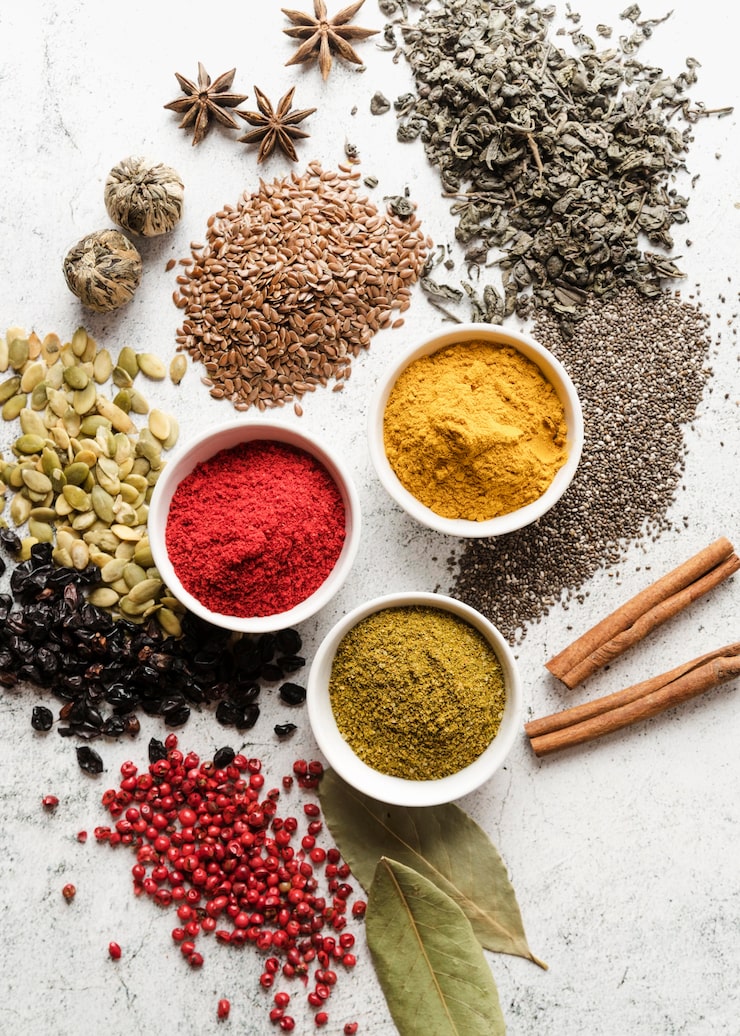
Spices play a big role in seasonal cooking and bring more than just flavor. Many are rich in nutrients and active compounds that support health, so adding them to drinks and dishes can brighten meals and help the body in different ways.
Cinnamon adds a warm, sweet note to drinks and baked goods and offers anti-inflammatory benefits. It can help lower blood sugar and is high in antioxidants that protect cells. Cinnamon may also support heart health and circulation, making it an easy way to boost both flavor and wellness.
Cloves pack a strong aroma and are great for digestion, helping ease gas and bloating. They have antibacterial, anti-inflammatory, and antioxidant properties, and clove oil is often used to relieve toothaches and gum pain thanks to its eugenol content.
Ginger is a warming root used in teas and baked treats. It soothes nausea, eases stomach upset, and reduces inflammation that causes joint and muscle pain. Ginger also supports circulation, digestion, and immunity, and may help slightly increase metabolism.
Nutmeg lends a rich, festive flavor and can help with sleep and relaxation in small amounts. It contains compounds that may support brain function, reduce inflammation, and ease digestive issues like nausea and indigestion, while also promoting circulation.
Turmeric’s bright color comes from curcumin, a compound with strong anti-inflammatory effects. It’s often used to ease joint pain and may support brain health, circulation, and cholesterol levels. Some studies suggest curcumin has cancer-fighting potential, and adding turmeric to soups, stews, or smoothies gives dishes an immune-boosting lift.
Cardamom adds a fragrant touch to sweet and savory dishes and can aid digestion by stimulating enzymes. It has anti-inflammatory and antioxidant effects, supports liver function and detoxification, and may help lower blood pressure.
Saffron is prized for its flavor and color and is rich in antioxidants. It has mood-lifting properties and may help with mild depression, improve circulation, and lower blood pressure. Saffron also helps with inflammation and digestion and can support metabolism when used sparingly.
Rosemary’s piney scent pairs well with roasted vegetables and meats. It’s high in antioxidants and has been linked to improved memory and digestion. Rosemary may also ease respiratory issues, reduce joint inflammation, and help relieve stress when used in cooking or infused oils.
Thyme is a versatile herb full of vitamins and antioxidants that support the immune system. It has natural antibacterial qualities and is traditionally used for coughs and congestion. Thyme also aids digestion and reduces inflammation, making it a great addition to soups and roasts.
Peppermint, with its cooling menthol, relaxes digestive muscles to ease bloating, gas, and nausea, and can relieve tension headaches and muscle tightness. It may sharpen mental clarity, lower stress, and has mild anti-inflammatory and immune-supporting effects.
Bay leaves add depth to soups and stews and bring antioxidants that protect cells. They support digestion, reduce bloating, and have anti-inflammatory and antibacterial properties. Bay leaves can also promote relaxation and help lower stress.
Chili peppers contain capsaicin, which reduces inflammation and helps relieve pain. They can boost metabolism, aid digestion by stimulating enzymes, and may improve heart health by lowering cholesterol. A little heat adds flavor and can support circulation and immune function.
Fennel seeds offer a sweet, licorice-like flavor and are rich in antioxidants. They’re especially good for digestion, easing bloating and gas, and can support respiratory health. Fennel may also help regulate blood pressure, fight mild infections, and reduce water retention.


