

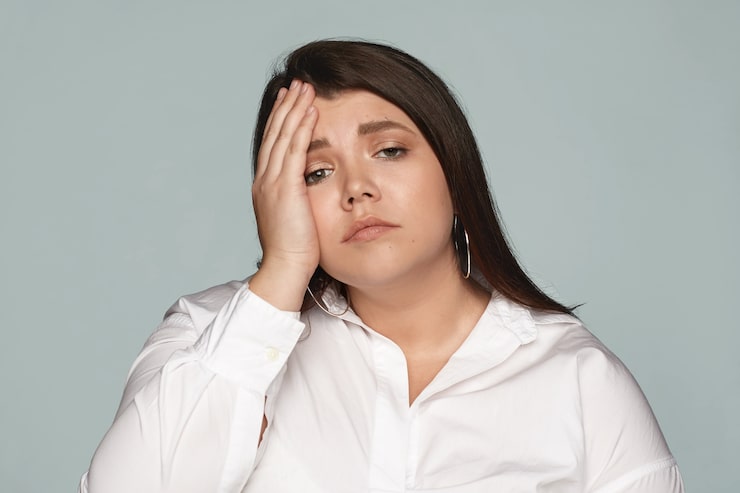
Ever feel like your body is clinging to fat no matter how carefully you eat or how much you exercise? You cut calories, go to the gym, skip late-night snacks—and the scale barely budges. Meanwhile someone else swears they “just stopped drinking soda” and lost 20 pounds. If you’ve been told to “just eat less and move more,” you know how frustrating that is.
Fat loss isn’t a simple math problem. Calories matter, but not all calories affect the body the same way. Stress, sleep, hormones, gut health, inflammation, nutrient status, and exercise balance all influence whether your body holds on to or releases fat. If just one of these is off, your body may decide it’s safer to keep extra weight.
Stress
Chronic stress raises cortisol, the fight-or-flight hormone. Short-term cortisol helps you respond to challenges, but long-term elevation encourages fat storage—especially around the belly—drives sugar and carb cravings, and can lead to insulin resistance. If you’re stressed often and can’t lose belly fat, cortisol may be part of the problem.
Ways to lower stress:
– Prioritize 7–9 hours of quality sleep and set a calming bedtime routine.
– Do gentle movement like walking, yoga, or stretching—preferably outside.
– Consider magnesium or adaptogens (like ashwagandha) to support stress response.
– Cut afternoon/evening caffeine and limit screen time before bed.
– Make time for enjoyable activities that make you laugh and relax.
Inflammation
Chronic, low-grade inflammation slows metabolism and pushes the body into a protective, fat-storing mode. It also contributes to insulin resistance. Signs include bloating, puffiness, water retention, stubborn fat, brain fog, and constant fatigue.
How to reduce inflammation:
– Eat anti-inflammatory whole foods: fatty fish, avocados, berries, leafy greens, turmeric, ginger, olive oil.
– Avoid ultra-processed foods and inflammatory seed oils (soybean, canola, corn).
– Boost omega-3 intake through fatty fish or a quality supplement.
– Support gut health with probiotics and prebiotic foods.
– Prioritize sleep, manage stress, and avoid overtraining.
Insulin Resistance
When cells stop responding well to insulin, the body stores more carbs as fat, you get energy crashes, and cravings increase. Frequent snacking, refined carbs, and high stress can drive this condition.
To improve insulin sensitivity:
– Balance meals with protein, healthy fats, and fiber.
– Add strength training to help muscles use glucose.
– Avoid constant snacking; give yourself breaks between meals.
– Cut processed carbs and added sugars—choose whole, fiber-rich foods instead.
Hormones
Hormone imbalances can stall fat loss. Women over 40 often face estrogen dominance or low progesterone, which can cause fat to accumulate in the hips, thighs, and belly and disrupt sleep. An underactive thyroid slows metabolism and causes fatigue and brain fog.
Steps to support hormones:
– Get tested: estrogen, progesterone, testosterone, cortisol, and full thyroid panel (T3, T4, TSH).
– Eat nutrient-dense meals with enough protein and healthy fats.
– Support thyroid health with iodine, selenium, and zinc from food or supplements.
– Manage stress to keep cortisol from disrupting other hormones.
– Discuss hormone replacement with a doctor if you’re in perimenopause or menopause.
Sleep
Poor sleep increases ghrelin (hunger hormone) and lowers leptin (fullness hormone), which makes overeating more likely. It also raises cortisol and disrupts blood sugar.
Better sleep habits:
– Keep a consistent sleep and wake time.
– Make your bedroom cool and dark.
– Avoid screens before bed or use blue-light filters; pick relaxing activities instead.
– Skip caffeine in the afternoon.
– Practice calming pre-bed routines to lower stress.
Gut Health
A balanced gut microbiome helps with digestion, metabolism, and hormone balance. When gut bacteria are off, inflammation rises, fat burning slows, and cravings grow.
Support your gut by:
– Eating more fiber from vegetables, berries, flaxseeds, and nuts.
– Including probiotic foods or a high-quality probiotic supplement.
– Avoiding artificial sweeteners and processed foods that harm gut balance.
Nutrients and Protein
Deficiencies in magnesium, vitamin D, omega-3s, or B vitamins can slow metabolism and sap energy. Low protein intake lets the body break down muscle, which reduces resting calorie burn.
What to do:
– Eat a balanced diet with lean protein, healthy fats, and nutrient-rich foods.
– Get bloodwork to check for deficiencies.
– Supplement when needed, especially for vitamin D and magnesium.
Too Much Exercise and Too Few Calories
Excessive cardio and under-eating can raise cortisol, break down muscle, and stall fat loss. If you’re always exhausted, hungry, or can’t recover, you may be stressing your body too much.
A better approach:
– Prioritize strength training to build and preserve muscle.
– Eat enough protein—aim for roughly 0.7–1 gram per pound of body weight.
– Schedule rest or active recovery days to avoid burnout.
Conclusion
If fat loss feels impossible, it’s often not because you lack willpower but because stress, hormones, inflammation, sleep, gut health, nutrients, or training load are working against you. The answer isn’t to diet harder—it’s to support your body so it feels safe to let go of stored fat.
Nutrition is central: a balanced, nutrient-dense diet lowers inflammation, improves insulin sensitivity, and supports hormone balance. Small, consistent changes add up. A structured plan or short challenge can help reset habits and kick-start progress, but the key is addressing the underlying factors so your body can finally make the change.


