

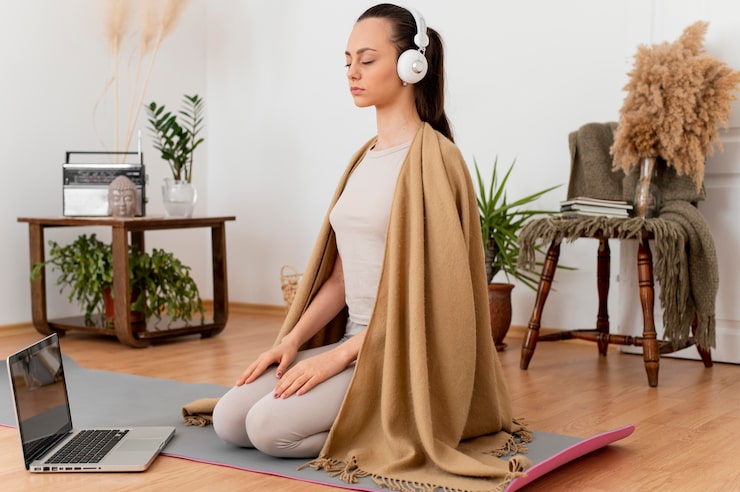
Kundalini Yoga, often called the yoga of awareness, combines physical postures, specific breathing techniques, and mantra chanting to support physical strength, mental clarity, and spiritual growth. Unlike styles that focus mainly on flexibility or fitness, it emphasizes inner experience and the movement of energy within the body.
Kundalini refers to a dormant energy said to rest at the base of the spine. The practice aims to awaken this energy and guide it upward through the seven main chakras—energy centers that correspond to different aspects of life and consciousness. As the energy moves through these centers, it can clear blockages and bring balance to the physical, emotional, and spiritual levels of the practitioner.
Awakening Kundalini is a gradual process that benefits from patient practice and experienced guidance. Techniques include purposeful postures (asanas), controlled breathwork (pranayama), mantra chanting, and meditation. Together these practices build internal heat, dissolve energetic obstacles, and prepare the body and mind for deeper shifts.
Each chakra represents facets of human experience—survival and grounding at the root, creativity, will, love, communication, intuition, and spiritual connection toward the crown. Activation of these centers can lead to improved health, emotional stability, heightened awareness, and profound personal insights.
Kundalini Yoga is organized and goal-oriented. Central to the practice are kriyas: specific sequences of postures, breath, and meditation designed to address particular physical or mental aims, such as boosting immunity, improving digestion, increasing spinal flexibility, or balancing emotions. Regular practice of kriyas can produce noticeable changes in energy and well-being.
Sound and vibration are important tools in Kundalini Yoga. Chanting mantras—often in traditional languages—helps focus the mind, reduce stress, and deepen meditation. Meditation, whether silent or with sound, cultivates awareness and prepares practitioners for more subtle experiences.
A distinctive breathing technique in this tradition is the Breath of Fire: a rapid, rhythmic nasal breath that engages the diaphragm and abdominal muscles. It’s energizing and cleansing, stimulates the nervous system, increases oxygenation, and can improve concentration and lung capacity.
To begin, look for qualified teachers or classes that suit your level—many studios and online platforms offer options. A first class may feel different from other yoga styles: expect dynamic movements, repetitive sequences, breathwork, chanting, and moments of meditation. Emotional and physical responses vary; openness and patience help you navigate these experiences safely.
Minimal gear is needed: a yoga mat, loose comfortable clothing, and a blanket or shawl for relaxation and meditation. Stay hydrated and consider a light meal a couple of hours before practice. Connecting with local or online communities, workshops, and group meditations can provide support and deepen your understanding.
Kundalini Yoga offers a holistic path that nurtures body, mind, and spirit. With regular practice and proper guidance, it can lead to greater balance, inner peace, and a deeper sense of connection.


