

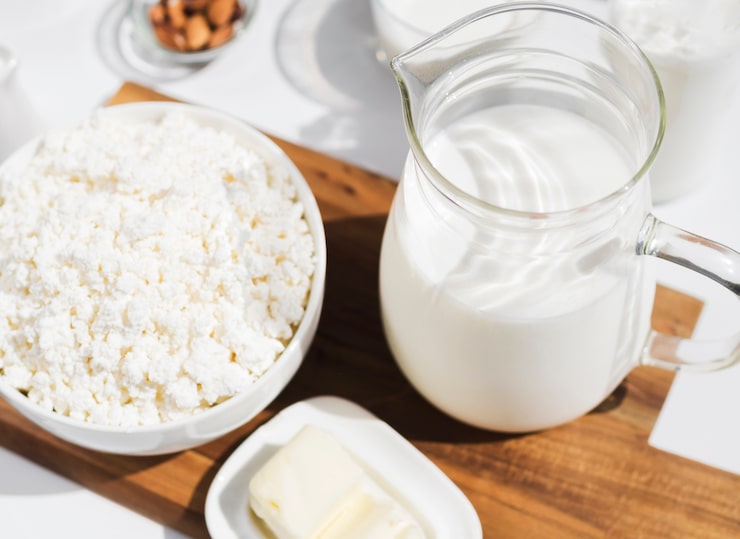
If you’re eating well but not losing weight, your gut health may be a factor. Trillions of microbes in the digestive tract help break down food so the body can absorb nutrients and energy. Most of these microbes are beneficial bacteria—probiotics—that support digestion and overall health. A healthy balance of intestinal flora can be upset by stress, poor diet, illness, and certain medications. When good bacteria decline, harmful microbes can take over, leading to inflammation, immune problems, diarrhea, constipation, and weight gain.
Introducing probiotics—through food or supplements—can help restore balance and improve digestion, which may make weight loss easier. Studies suggest gut composition relates to body weight; for example, a study of twins found thinner twins had healthier gut flora than their obese siblings. When the body can’t break down nutrients properly, it struggles to process fats, carbohydrates, and fiber. Some harmful bacteria produce lipopolysaccharides (LPS), compounds that trigger inflammation and can promote weight gain—animals given LPS gained as much weight as those fed a high-fat diet in one experiment. Beneficial bacteria help reduce these problematic compounds.
Gut microbes also influence appetite. When good bacteria break down fiber, they affect hormones that regulate hunger, which can reduce the urge to overeat. Yeast overgrowth can cause bloating and weight gain; introducing healthy bacteria helps suppress yeast and restore balance.
Eating probiotic-rich foods supports a healthy gut, but if your microbiome is out of balance, supplements can speed recovery. Not all probiotics are equal: strain diversity matters as much as the total number of organisms. Multiple strains often work together for better digestive support. Key strains to look for include Lactobacillus acidophilus (supports nutrient absorption), Bifidobacterium longum (helps maintain the intestinal lining), and Bifidobacterium bifidum (breaks down complex carbohydrates, fats, and proteins). For weight-loss support, many experts recommend products with at least 5 billion CFUs and several different strains.
Storage and labeling matter because live microbes can die during processing or when exposed to heat and light. Choose products with secure packaging and store them in a cool, dark place. Refrigeration isn’t always required—many formulas are shelf-stable—but they should never be left in direct sunlight. Be cautious of labels that claim the bacteria were merely “viable at time of manufacture” unless the product also guarantees potency through the expiration date. Because the FDA doesn’t regulate supplements in the same way as drugs, look for products verified by an independent third party.
Some probiotic options to consider:
– Dr. Tobias: Contains spore-forming strains designed to be shelf-stable, with claims of minimal loss of live organisms at warm temperatures. Note: the product may be made in a facility that handles common allergens.
– Avocadu Gut-13: A multi-strain formula that includes 13 different bacterial strains aimed at supporting gut health.
– Hyperbiotics Pro 15: Provides 15 billion CFUs per capsule and uses a patented manufacturing/delivery process intended to protect organisms from stomach acid and deliver more live microbes to the intestines.
– Vitamin Bounty Pro 50: Offers 50 billion live CFUs and 13 strains, and includes fermented greens such as wheatgrass, barley grass, and alfalfa. It’s gluten-free, but those sensitive to the added greens should avoid it.
– Renew Life Ultimate Flora: A time-released formula with more than 50 billion live cultures and 12 strains, formulated without gluten, dairy, or soy and guaranteed for potency through the expiration date.
Choose a probiotic that fits your needs, paying attention to strain variety, CFU count, storage requirements, and third-party verification, and combine supplementation with a diet that supports gut health.


