

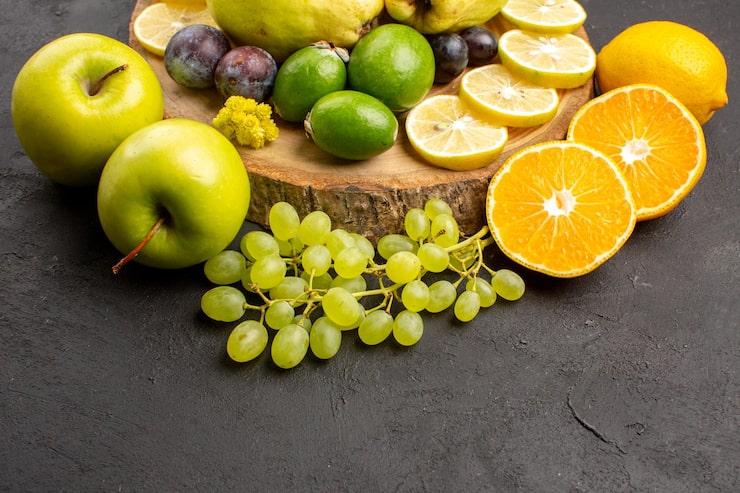
Autumn is when many fruits reach their best flavor and nutrition. Eating what’s in season gives your body useful vitamins and minerals and can be as simple as enjoying fruit fresh or adding it to warm, comforting dishes. Seasonal choices are an easy way to bring variety to your meals.
Grapes are a popular fall vine fruit, naturally sweet and full of nutrients. They offer antioxidants like resveratrol that support heart health, plus vitamin C and potassium. With high water content, they’re hydrating and handy as a snack, in salads, or made into juice. The skins and seeds hold plant compounds that may help reduce inflammation, and red or purple varieties tend to be richest in polyphenols. Seasonal grapes taste better and fresher.
Kiwi grows on woody vines and is harvested in cooler months. This small green fruit is packed with vitamin C, fiber, and potassium and has a tangy-sweet flavor that works well in smoothies, salads, or eaten on its own. The fuzzy skin is edible and adds extra fiber if you eat it. Kiwi contains enzymes that can aid digestion and break down proteins, which is why it’s sometimes used in marinades. It’s low in calories and best enjoyed in season.
Passion fruit comes from a tropical vine and is often picked in the fall. With a thick purple rind and a seedy, golden interior that’s both tart and sweet, it’s high in vitamins A and C and dietary fiber. The seeds are edible and contain beneficial plant compounds. Passion fruit supports digestion and supplies antioxidants, and its unique flavor pairs well with yogurt, desserts, or fresh juices. Small but nutrient-dense, it’s a flavorful seasonal addition.
Muscadine grapes, native to the southeastern United States, grow on hardy vines and are known for thick skins and bold flavor. They’re high in antioxidants, fiber, and manganese and are used fresh, for wine, or in preserves. Muscadines resist many pests, making them a sustainable crop, and their skins are rich in resveratrol, which has been studied for heart health. They ripen from late summer into fall.
Cranberries grow on low-running vines across bogs and wetlands and are harvested in the fall. Known for their tart taste, they provide vitamins C and E and fiber and are commonly made into sauces, juices, or dried snacks. Cranberries contain proanthocyanidins that may support urinary tract health. Because they’re sour, they’re often sweetened, and fresh berries can be frozen to use later in the season. They add a festive touch and good nutrients to fall meals.
Hardy kiwi, or baby kiwi, grows on cold-resistant vines and has smooth, edible skin. About the size of a grape, it’s rich in vitamins C and E and fiber, with a sweet-tangy flavor. Hardy kiwi ripens in the fall and can be eaten whole, making it an easy snack to pack. They provide antioxidants and are a special treat during their short season.
Gooseberries grow on trailing vines or shrubs and are ready from late summer into fall. They come in green, red, or purple and are rich in vitamin C, potassium, and fiber. Their tartness makes them ideal for jams and pies and useful in savory dishes where their sourness adds balance. Gooseberries contain antioxidants that may support heart health; while fresh ones can be hard to find, they’re worth seeking out when in season.
Pumpkins are technically fruits that grow on sprawling vines and are harvested in the fall. They’re rich in vitamin A, potassium, and fiber and are used in pies, soups, and roasted dishes. Pumpkin seeds are edible and provide protein and healthy fats. The orange flesh contains beta-carotene, which the body converts to vitamin A to support eye health and immunity. Pumpkins are versatile and a classic seasonal staple.
Chayote is a vine fruit in the gourd family with light green, crisp, mildly sweet flesh. It supplies vitamin C, folate, and potassium and is commonly used in stews, stir-fries, and salads. Low in calories and high in water, chayote is refreshing and healthy; the skin, flesh, and even young shoots can be eaten. It’s often harvested in fall.
Butternut squash grows on trailing vines and has a sweet, nutty flavor. Rich in vitamins A and C and fiber, its orange flesh is perfect for soups and roasting, and the tough skin helps it keep through the season. It contains antioxidants and the seeds can be roasted for a crunchy snack. Butternut squash is filling, versatile, and a fall kitchen staple.
Malabar spinach is a climbing vine that produces small purple berries, though the leaves are more commonly eaten. The berries are edible and contain vitamins A and C along with plant pigments and are sometimes used as a natural food dye. Ripening in the fall, they have a mild flavor and a striking color that adds visual interest to dishes and culinary traditions.
Bitter melon grows on climbing vines and produces green, bumpy fruits that are eaten in many Asian cuisines. It contains vitamins C and A and folate and is known for its sharp, bitter flavor. Ripening in late summer and fall, bitter melon is often cooked in stir-fries, soups, or stuffed. It has been studied for possible effects on blood sugar and brings both nutrition and cultural variety to meals.


