

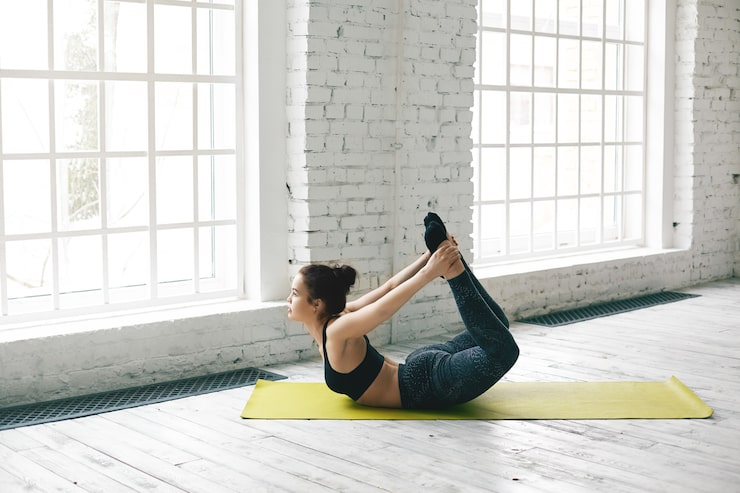
Have you ever struggled to hold a yoga pose and felt your body wasn’t ready for it? Many beginners feel the same. Some poses seem impossible without the right flexibility or strength, and yoga blocks are a simple, effective tool to bridge that gap. They help modify poses, improve alignment, and give the support needed to build confidence. With blocks you can ease into your practice, make poses more comfortable, and explore new progressions safely.
Yoga blocks come in foam, cork, or wood and in different sizes and densities so you can choose what feels best. Their main job is to bring the floor closer, offering stability and support while you develop strength and flexibility. For beginners, blocks act like extensions of your arms or legs, helping you reach proper alignment and avoid strain. They also deepen stretches gradually and offer a steady base for balance work.
Common ways to use blocks:
– Support hands or feet when you can’t reach the floor, reducing strain and keeping alignment.
– Elevate the hips in seated poses so you can sit with a straighter spine and more comfort.
– Support the back or hips to relax into poses without stressing muscles.
– Modify standing poses by giving a stable surface to reach for or lean on.
– Provide a firm foundation in balance poses so you can focus on alignment and strength.
– Use in restorative poses to support the body and promote relaxation.
Beginner-friendly yoga block exercises:
1. Supported Bridge Pose: Lie on your back with knees bent and feet hip-width. Place a block under your sacrum so your hips rest on it. This gentle backbend opens the chest and stretches the spine without strain.
2. Half Splits: From kneeling with one leg extended straight, rest your hands on blocks as you lean forward over the extended leg. This eases hamstring and calf stretches while protecting hip and spine alignment.
3. Seated Forward Fold: Sit with legs extended and feet flexed. Place a block in front of you and rest your hands or forehead on it to keep a long spine while stretching hamstrings and lower back.
4. Reclined Bound Angle Pose with Blocks: Lie on your back with soles together and knees open. Place a block under each knee to gently open the hips and inner thighs while preventing overextension.
5. Modified Triangle Pose: With feet wide, turn the front foot out and place a block beside it. Rest your hand on the block while reaching the other arm up, allowing you to keep a straight spine and open chest without straining.
6. Lizard Pose with Blocks: From a low lunge, place blocks beside your front foot and lower your hips toward the ground. Blocks help maintain alignment while you stretch hip flexors and inner thighs.
7. Chair Pose with a Block: Stand with a block between your thighs, sink into chair pose, and squeeze the block. This engages the inner thighs and core and promotes proper knee and hip alignment.
8. Supported Fish Pose: Sit with legs extended and place a block under the base of your shoulder blades and another under your head. Lean back onto them to open the chest and relax the shoulders with gentle spinal support.
Practical tips for using blocks:
– Start with poses you already know so you can focus on the support blocks provide.
– Try the block at its three heights—flat, medium, tall—to find what suits each pose.
– Listen to your body. Use blocks when you need support and set them aside when you don’t.
– Use blocks in balance poses (under a hand in Half Moon or Extended Side Angle) to build stability and confidence.
– Add blocks to restorative poses to stay comfortably longer and deepen relaxation.
– Keep blocks handy if you practice at home so you can adjust your practice day to day.
– Practice with intention: notice how blocks change your alignment and use that awareness to progress.
Yoga blocks are a valuable tool for beginners, helping you maintain alignment, safely build strength and flexibility, and make poses more accessible. Used thoughtfully, they let you explore and deepen your practice with greater ease and confidence.


