

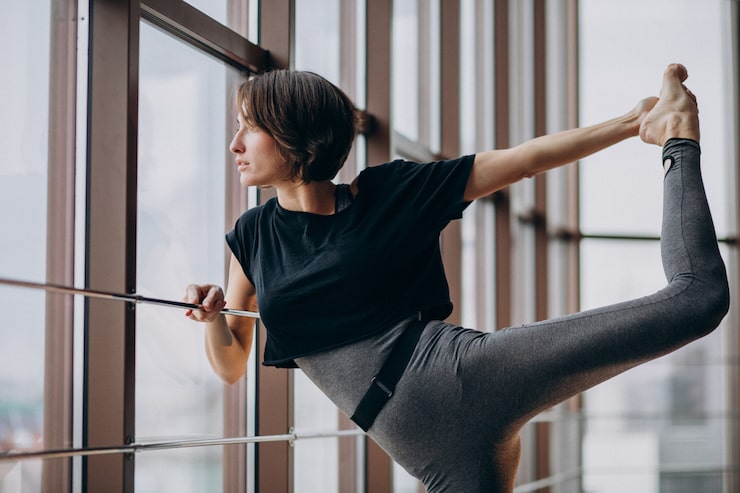
If you’re looking for a fresh approach to wellness, Vinyasa Yoga may be the right fit. Born from India’s ancient traditions, Vinyasa links breath and movement into a flowing, dance-like practice that can become a moving meditation.
Unlike styles that hold static poses, Vinyasa emphasizes the transitions between postures. Each movement is guided by the breath: inhales with expansive motions like lifting the arms, exhales with folding or twisting. That rhythm creates a mindful, immersive experience and keeps classes varied—no two sessions need be the same.
This variety makes Vinyasa both creative and engaging. Instructors design sequences that reflect their training and the class’s energy, so you might focus on balance one day, strength the next, and backbends another. That diversity builds functional strength, improves flexibility, and challenges you in different ways over time.
Physically, Vinyasa offers a full-body workout. Poses like Chaturanga strengthen the arms, shoulders, and core, while standing postures work the legs and glutes. The constant movement also stretches muscles and increases joint range of motion, helping reduce tension and lower injury risk. Because flows keep the heart rate elevated, Vinyasa can also boost cardiovascular endurance similar to brisk walking or a slow jog.
The mental benefits are significant as well. Concentrating on breath and alignment quiets mental chatter and reduces stress. The focus required during sequences sharpens attention and can carry over into daily life, improving productivity and clarity. Linking breath and movement fosters presence—each breath anchors you to the moment, turning the practice into a form of moving meditation.
Breath is central to Vinyasa. It guides each transition—inhales accompany opening movements, exhales guide closing or folding motions. Paying attention to breathing steadies your pace, smooths transitions, and deepens body awareness, which enhances both the physical and mental aspects of practice.
Starting Vinyasa doesn’t have to be intimidating. Look for beginner-friendly classes that teach basic postures and safe transitions. Choose an instructor whose style and cues resonate with you; clear guidance and offered modifications make a big difference. Set realistic expectations: progress takes time, and the goal is connection, not perfection. Aim for consistency—short, regular sessions often yield the best results.
Vinyasa Yoga blends physical exercise with mindful practice, offering benefits that reach beyond the mat. By syncing breath and movement, it builds strength and flexibility, boosts cardiovascular health, and cultivates calm and focus. Embracing the flow can transform your practice into a journey of self-discovery and lasting well-being.


