
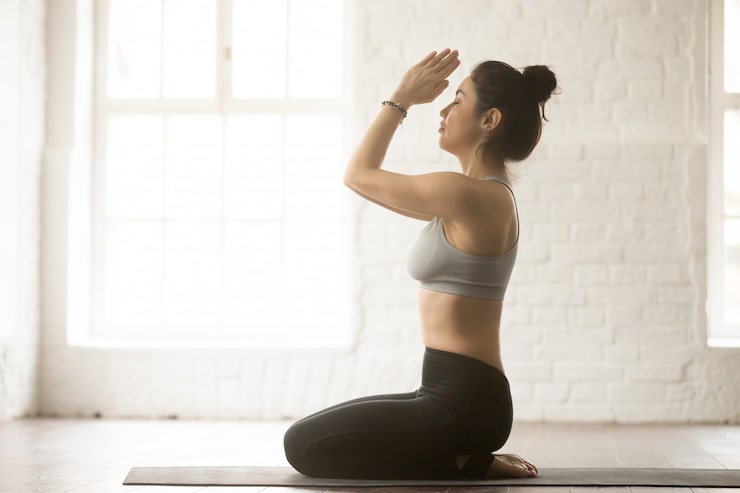
Ever notice yoga studios popping up everywhere and social feeds full of impressive poses? That can give the impression that yoga is only for the naturally flexible. It isn’t. Yoga is for everyone, regardless of how bendy you are.
What is flexibility? Simply put, it’s how far your joints can move, shaped by the stretchiness of muscles and ligaments. Several things affect it:
– Genetics: Some people are born with looser ligaments and greater natural range of motion.
– Age: Muscles tend to lose elasticity as we get older, but regular movement like yoga can slow that process.
– Gender: Women often have more flexibility than men due to hormonal differences and generally less muscle bulk around joints.
– Daily habits: Long periods of sitting reduce flexibility, while regular movement and stretching improve it.
– Warmth and preparation: You’ll usually be more flexible when warm or after a gentle warm-up.
– Past injuries: Scar tissue and previous joint or muscle injuries can limit range of motion.
– Mindset and stress: Tension and stress tighten the body. Relaxation and deep breathing can help muscles release and move more freely.
None of this means you must be flexible to do yoga. Flexibility isn’t a prerequisite. Yoga is inclusive: whether you’re very flexible or quite stiff, the practice offers benefits and can gently increase your range of motion over time. Rather than chasing perfect shapes, yoga focuses on personal growth, strength, breath, and well-being.
How did the myth that yoga is only for the flexible start? Historically, yoga was a broad spiritual system that included ethics, breath work, meditation, and more—not just physical poses. Over time the physical side, the asanas, became more visible. In recent decades, modern fitness culture and media have emphasized striking, advanced poses. Social media, magazines, and film often spotlight extreme flexibility, creating the idea that yoga is about looking a certain way. That’s a narrow view. Yoga actually centers on balance, strength, breath, and the mind-body connection—qualities anyone can develop.
Yoga’s adaptability is one of its strengths. There are many styles and ways to practice:
– Gentle and restorative styles prioritize relaxation and use props like blocks, bolsters, and blankets to support the body, making the practice accessible to those with limited flexibility.
– Dynamic styles like Vinyasa or Ashtanga are more demanding but still allow modifications so people can progress safely.
– Props and modifications help bring poses within reach and reduce strain, making yoga approachable for beginners and people with physical limits.
Beyond flexibility, yoga offers a wide range of benefits that don’t depend on being bendy:
– Improved strength: Many poses require you to support your own weight, which builds muscle and tone.
– Better balance: Balancing poses sharpen coordination and stability.
– Enhanced posture: Attention to alignment on the mat carries over to better posture in daily life.
– Cardiovascular gains: Faster-paced styles can boost heart health, while calmer practices can help lower blood pressure and improve heart rate variability.
– Stress relief and mood support: Breath work and mindfulness reduce stress, help manage anxiety, and can lift mood.
– Sharper focus and sleep: Regular practice improves concentration and often leads to better sleep quality.
If you’re new to yoga and worried about flexibility, start simple and be patient. Tips for beginners:
– Start where you are: Accept your current level. Yoga is about progress, not perfection.
– Listen to your body: Move into poses without forcing pain. If something hurts, ease back.
– Use props: Blocks, straps, and bolsters make poses safer and more comfortable.
– Find beginner-friendly classes: Teachers trained to work with beginners can offer helpful modifications and alignment cues.
– Try different styles: Some types of yoga will feel more suited to your needs than others—explore until you find what fits.
– Be consistent: Small, regular practice wins over occasional intense sessions. Even 10–15 minutes daily helps.
– Use reliable online resources: Guided videos and apps can supplement classes and help you build a routine.
Yoga is not reserved for the ultra-bendy. It’s a welcoming practice for all ages, shapes, and fitness levels. It teaches respect for your body, encourages steady progress, and offers physical and mental benefits along the way. You don’t need to be flexible to begin—yoga helps you become more flexible over time while also strengthening your body and calming your mind.