
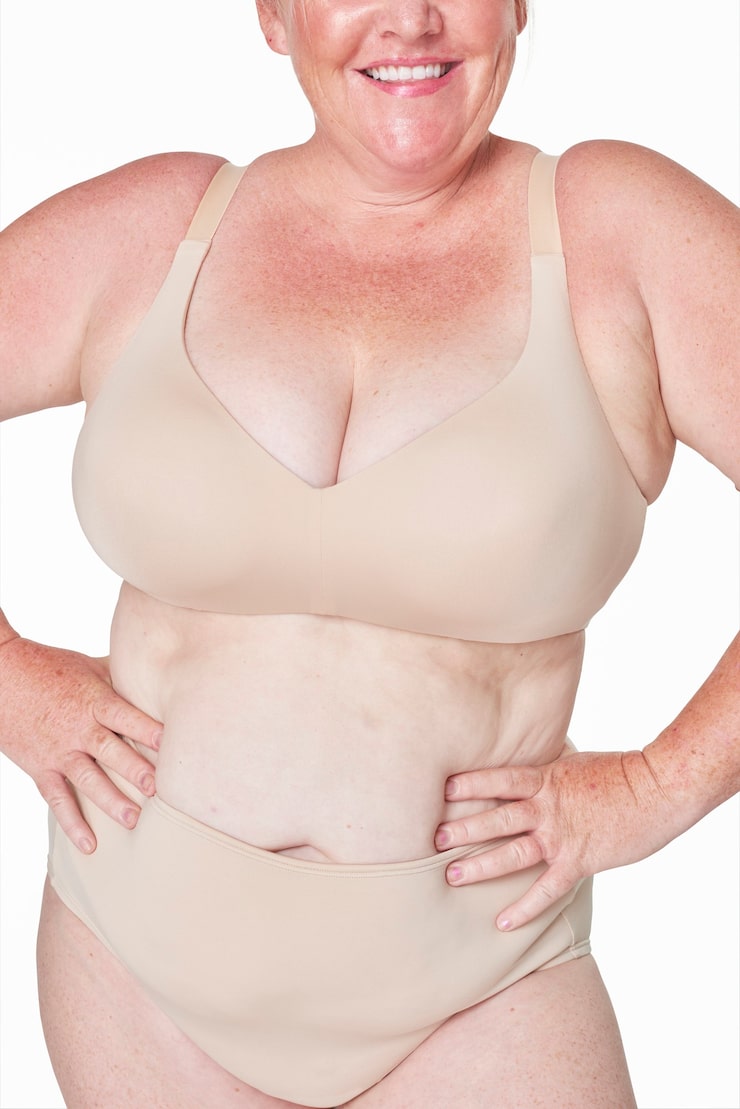
If your jeans feel tighter and your midsection has changed around age 40, you’re not alone. Belly fat at this stage doesn’t just appear—it’s the result of predictable changes in your body and lifestyle. The good news: understanding what’s happening makes it easier to do something about it.
Why it happens
Hormones shift. Estrogen and progesterone affect where your body stores fat. Around perimenopause and menopause, estrogen drops and your body often shifts fat toward the belly. This is an old survival response—useful long ago, annoying now.
Your metabolism slows. After 40 you tend to lose muscle mass (sarcopenia), and muscle burns more calories at rest than fat. Less muscle means a lower resting calorie burn, so extra calories are more likely to be stored.
Daily life plays a role. Busy schedules make exercise slip down the list, and long periods of sitting encourage fat storage. Chronic stress raises cortisol, which promotes belly fat. Convenience foods, sugary treats, and late-night snacking add extra calories that are easy to store as abdominal fat.
What you can do
Focus on sustainable, simple habits rather than quick fixes.
– Prioritize protein. Include protein at every meal to curb cravings and help maintain muscle—eggs for breakfast, grilled chicken or fish at lunch, Greek yogurt or nuts for snacks.
– Lift weights. Strength training builds muscle, raises resting calorie burn, and helps with bone health. Start light if you need to, and progress slowly.
– Choose balanced foods. Favor whole carbs (sweet potatoes, quinoa, whole grains), plenty of non-starchy vegetables, and healthy fats like avocado and olive oil. These keep blood sugar steady and help you feel full.
– Manage stress. Find practical ways to lower stress that you’ll stick with—short walks, deep breathing, yoga, journaling, or talking with a friend. Lowering stress can reduce cortisol-driven fat storage.
– Improve sleep. Aim for 7–8 hours of quality sleep. Limit screens before bed, keep your bedroom cool and dark, and try a calming bedtime routine.
Be patient and consistent
Belly fat won’t disappear overnight. Small, consistent changes add up. Track progress by how you feel—strength, energy, mood—rather than just the scale. Some weeks will be better than others; that’s normal. Celebrate small wins and keep building habits that support long-term health.
Belly fat after 40 is common, but far from permanent. By working with the natural changes in your body—through protein, strength training, better food choices, stress management, and sleep—you can see real, lasting results.