
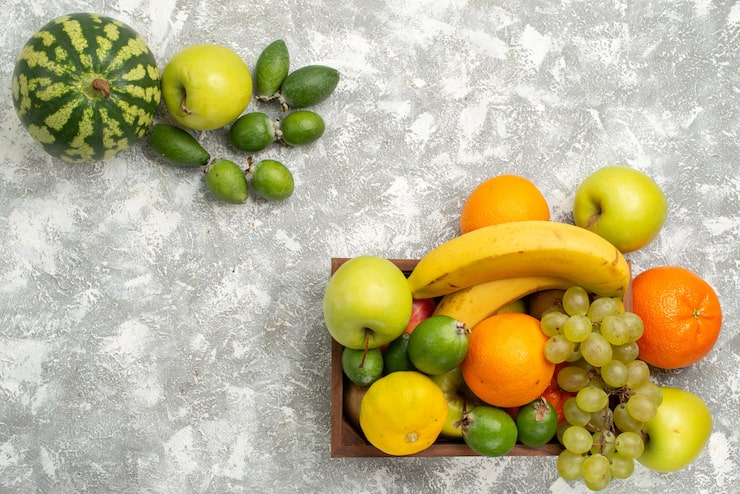
Eating more fruits and vegetables is an easy way to boost your health, and you can add them to meals without changing your routine much. From quick snacks to full meals, there are plenty of tasty options to try.
Smoothies are one of the simplest ways to get more veggies. Spinach, kale, or carrots blend well with bananas, berries, or apples and won’t overpower the sweetness. Add chia or flax for extra fiber and omega-3s. Smoothies work well for people who don’t enjoy eating vegetables on their own and make a quick breakfast or snack.
Veggie chips offer a crunchy, healthy alternative to potato chips. Thin slices of sweet potato, zucchini, or kale baked with a little olive oil and salt make a satisfying snack. You can try different seasonings and control the ingredients when you make them at home.
Sneak vegetables into pasta sauces by blending tomatoes with carrots, onions, or zucchini for a richer, more nutritious sauce. Spinach, mushrooms, and bell peppers are also great additions. Vegetables add fiber and vitamins and make pasta more filling.
Add fruit to your breakfast cereal to naturally sweeten it and cut down on added sugars. Bananas, berries, and apples work well with oatmeal, granola, or muesli. Top with nuts or seeds for extra protein and crunch.
Swap meat fillings for vegetable-packed wraps or tacos. Roasted peppers, onions, spinach, tomatoes, beans, or lentils create a flavorful, filling meal. Add salsa, avocado, or a squeeze of lime to finish.
Keep cut vegetables like carrots, celery, cucumber, and bell peppers on hand for quick snacks. Pair them with hummus, yogurt-based dips, or guacamole for a tasty, portable option. Preparing veggie sticks ahead of time makes it easy to choose a healthy snack.
Boost sandwiches and burgers by loading them with lettuce, tomatoes, cucumbers, avocado, or roasted vegetables like mushrooms and peppers. These additions add texture, flavor, and nutrients, and work well with both meat and vegetarian options.
Make fruit salads with strawberries, grapes, melons, and citrus for a refreshing side, snack, or dessert. A drizzle of honey or a squeeze of lemon brightens the flavors, and adding nuts or seeds gives a pleasant crunch.
Soups and stews are perfect for packing in vegetables. Carrots, celery, spinach, and kale add nutrients and fiber, and you can blend some of the veggies to thicken soups without dairy. These dishes are great for meal prep and colder days.
Bake fruits into muffins, pancakes, or cakes to add natural sweetness and fiber while reducing refined sugar. Apples, bananas, and berries work well and make for tasty treats you can even freeze for later.
Top pizzas with vegetables like spinach, mushrooms, peppers, or zucchini for more flavor and nutrition. Try a cauliflower crust if you want an extra veggie boost.
Green juices let you drink a variety of vegetables in one go. Spinach, kale, cucumber, celery, and a bit of apple or lemon create a refreshing drink that’s full of vitamins and minerals.
Stir-fries are a quick, flexible way to eat more vegetables. Bell peppers, broccoli, carrots, and snap peas cook fast and keep their nutrients. Use a little olive oil or low-sodium soy sauce and serve over rice or noodles for a complete meal.
With a little creativity, adding fruits and vegetables to your daily meals can be simple and enjoyable. Try different combinations to find what you like, and make these small changes part of your routine to help improve your overall health.